
Company Overview
At Pipe and Sections Pvt Ltd, we help contractors, builders, dealers, and project buyers get the latest tmt saria rate, transparent quotations, and fast delivery across India.
Most Recent Posts
- All Posts
- TMT Bars
Tags
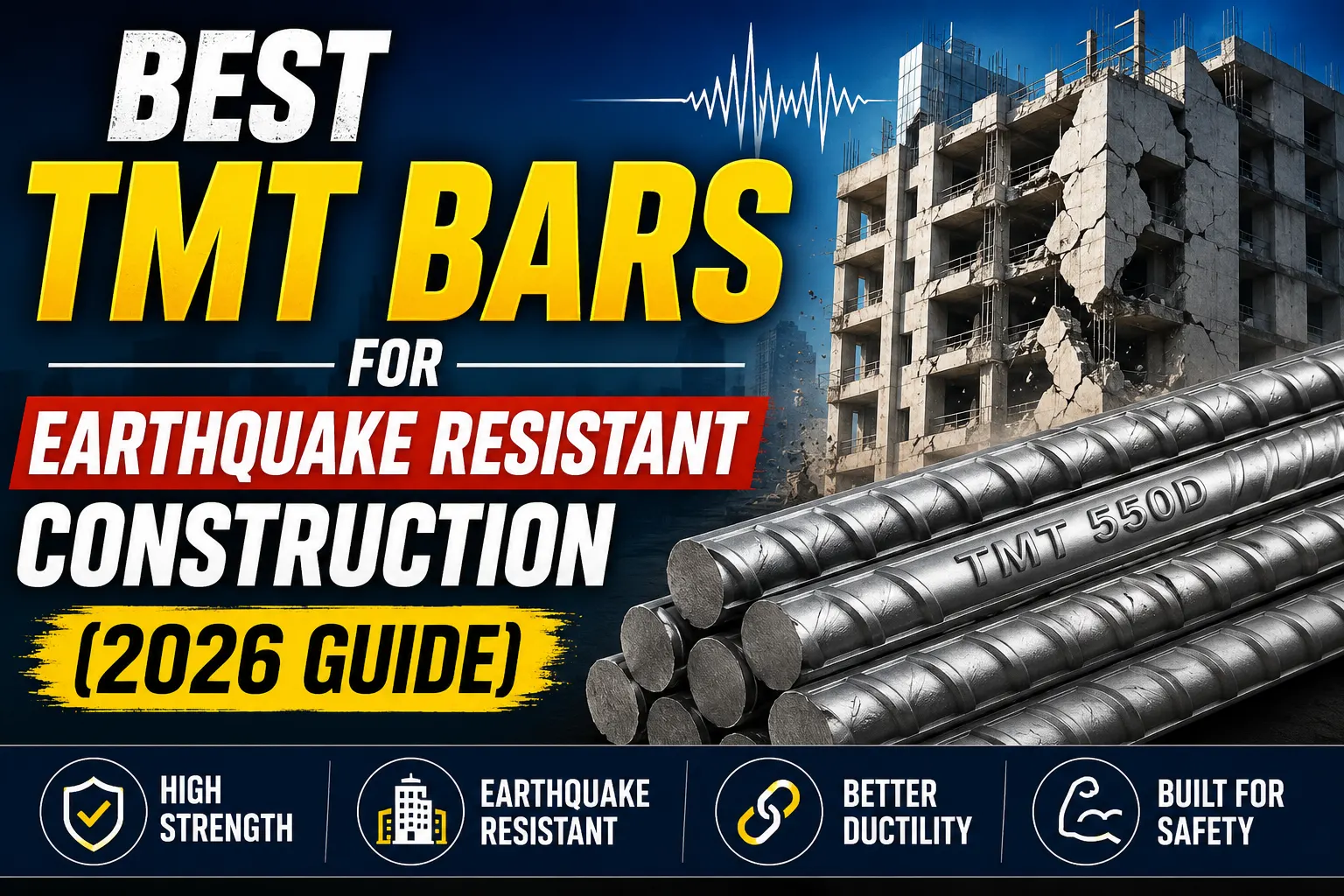
Best TMT Bars for Earthquake Resistant Construction (2026 Guide)
Earthquake resistant construction requires high-ductility and high-strength TMT bars that can absorb seismic stress without sudden failure. In India, Fe 500D and Fe 550D earthquake resistant TMT bars are considered among the best choices for seismic-zone buildings because they offer better elongation, flexibility, crack resistance, and structural stability during earthquakes.
Why Choosing the Right TMT Bar Matters in Earthquake Resistant Construction
During an earthquake, buildings face sudden lateral movement, vibration, twisting forces, and dynamic structural pressure. Ordinary reinforcement bars may crack or fail under this stress if they lack proper ductility and flexibility.
This is why engineers and contractors prefer specially designed earthquake resistant TMT bars for seismic construction projects.
The right TMT bars help:
- Absorb seismic shock
- Reduce structural cracking
- Improve flexibility under stress
- Increase RCC bonding strength
- Prevent sudden structural collapse
- Improve long-term building safety
Modern seismic-resistant construction in India now heavily depends on high-ductility reinforcement bars for both residential and commercial structures.
For contractors and project buyers looking for reliable reinforcement solutions, Pipe & Sections Pvt Ltd. supplies multiple grades of TMT bars with bulk dispatch support, GST billing, and ready stock availability across India.
What Makes a TMT Bar Earthquake Resistant?
The most important factor in seismic-resistant reinforcement is ductility.
What is Ductility?
Ductility refers to the ability of a TMT bar to bend and stretch under pressure without breaking suddenly.
During an earthquake:
- Buildings move repeatedly
- Reinforcement faces tension and compression
- Sudden load transfer occurs
- Structural joints experience high stress
If reinforcement bars are brittle, they may snap.
If reinforcement bars are ductile, they absorb energy and protect the structure.
This is why ductility is critical for earthquake resistant construction.
Why Ductility Matters in Seismic Construction
In seismic zones, structures are designed to “flex” instead of failing rigidly.
High-ductility TMT bars help in:
- Energy absorption
- Crack control
- Structural stability
- Shock resistance
- Better load redistribution
This becomes especially important in:
- High-rise buildings
- RCC structures
- Bridges
- Multi-storey homes
- Industrial buildings
- Infrastructure projects
Builders today increasingly choose ductile grades such as Fe 500D and Fe 550D because they perform better under dynamic stress conditions.
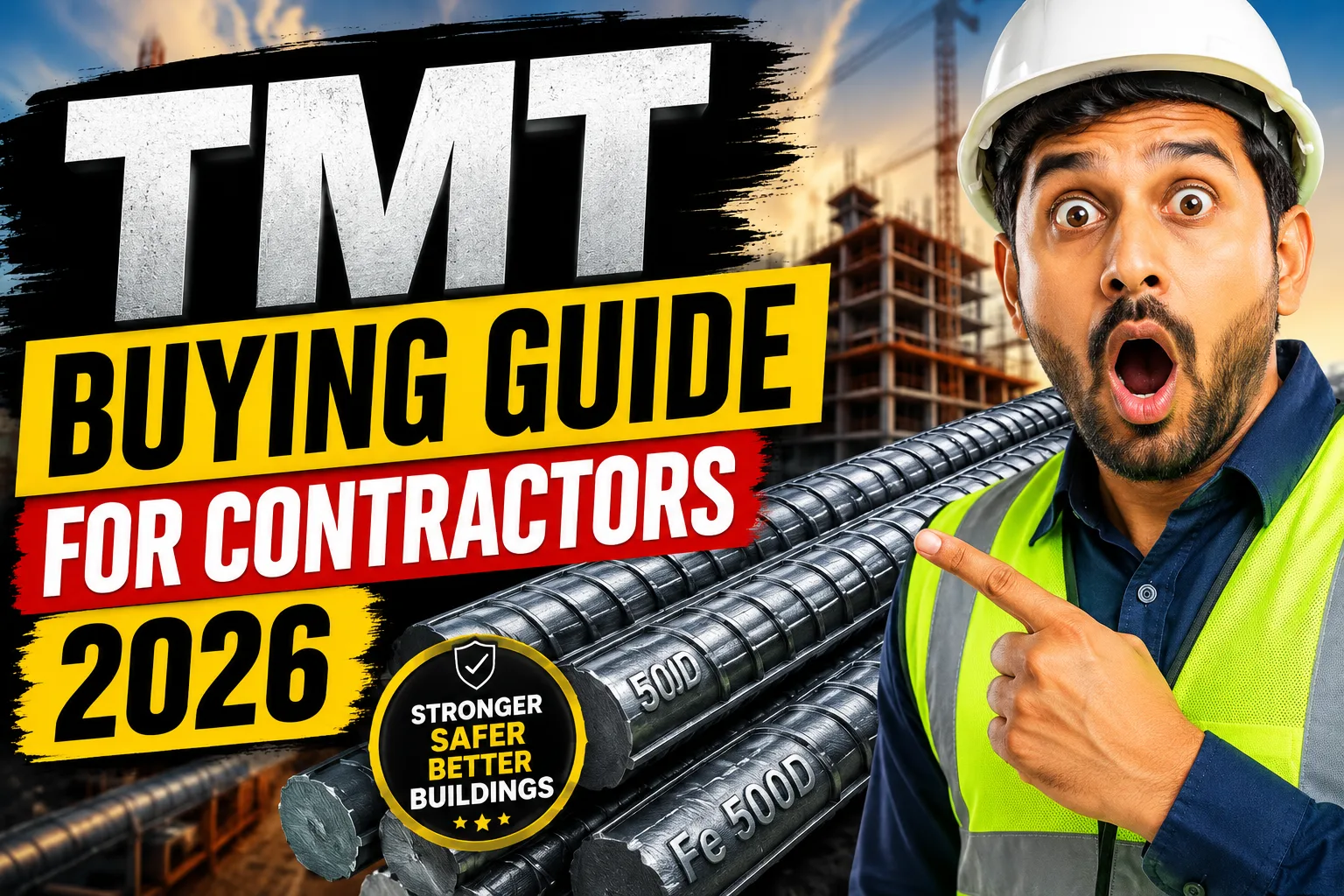
If you are selecting reinforcement grades for residential or commercial projects, reading Ultimate TMT Buying Guide for Construction Projects can help you understand how different grades behave under structural loads.
Fe 500D vs Fe 550D for Earthquake Resistant Construction
The most commonly recommended grades for seismic construction are:
- Fe 500D
- Fe 550D
Both offer improved ductility compared to standard grades.
What Does “D” Mean in TMT Bars?
The “D” in Fe 500D or Fe 550D stands for:
High Ductility
These grades are specifically designed to provide:
- Better elongation
- Improved bendability
- Higher seismic resistance
- Better weldability
- Enhanced structural flexibility
Fe 500D TMT Bars
Features
- High ductility
- Excellent bendability
- Better crack resistance
- Suitable for residential RCC structures
- Good earthquake resistance
Best Applications
- Residential houses
- Columns
- Slabs
- Foundations
- Beams
Fe 500D is widely preferred in seismic-prone residential construction because it balances affordability with safety.
You can also explore Fe 500 vs Fe 500D TMT: Key Differences Explained to better understand the performance gap between standard and ductile grades.
Fe 550D TMT Bars
Features
- Higher yield strength
- Superior ductility
- Better load-bearing capacity
- Excellent fatigue resistance
- Suitable for heavy RCC structures
Best Applications
- High-rise buildings
- Commercial projects
- Industrial construction
- Flyovers
- Infrastructure projects
Fe 550D provides higher strength while maintaining ductility, making it highly suitable for demanding seismic applications.
Builders handling large structural projects often prefer Fe 550D for improved long-term structural stability.
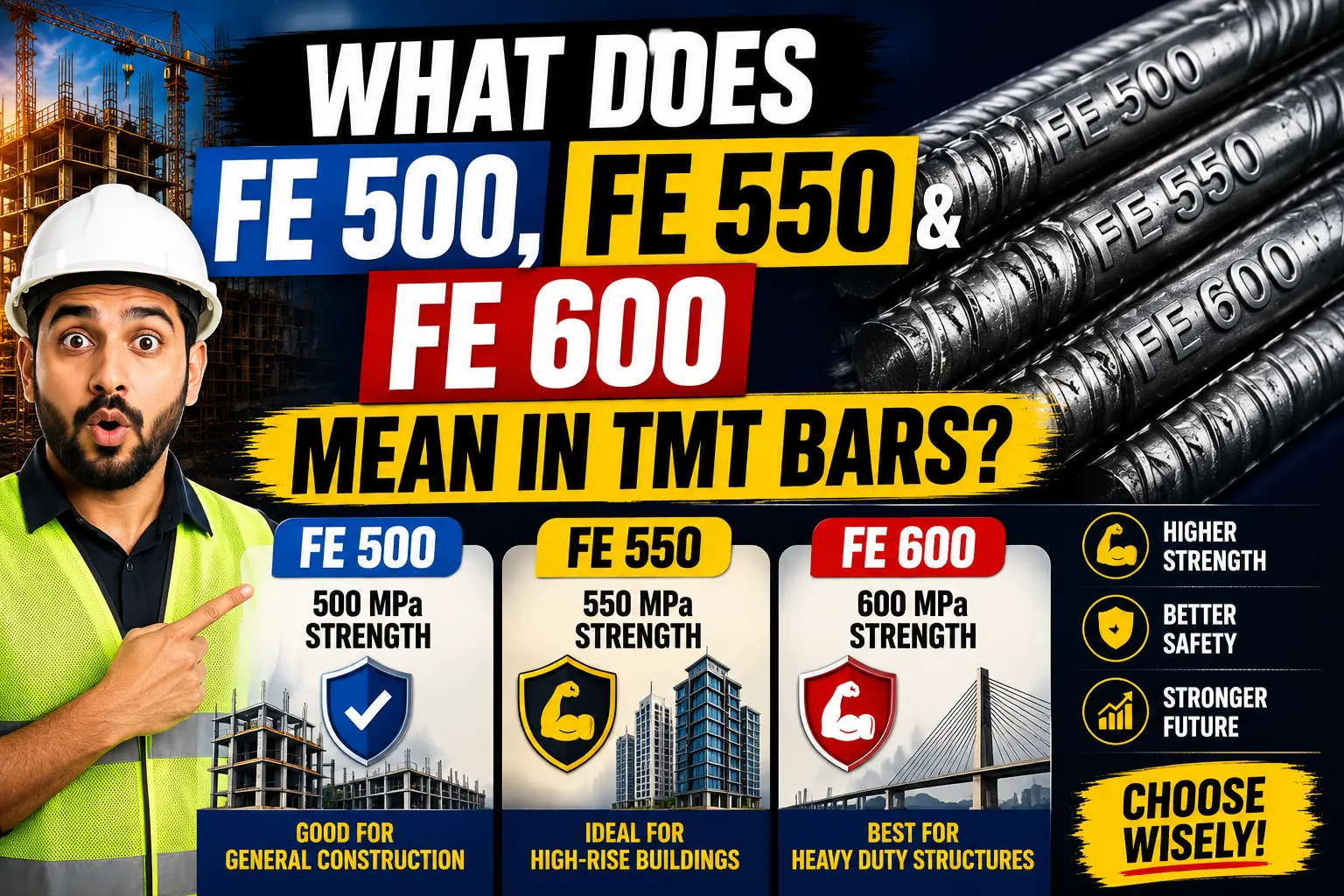
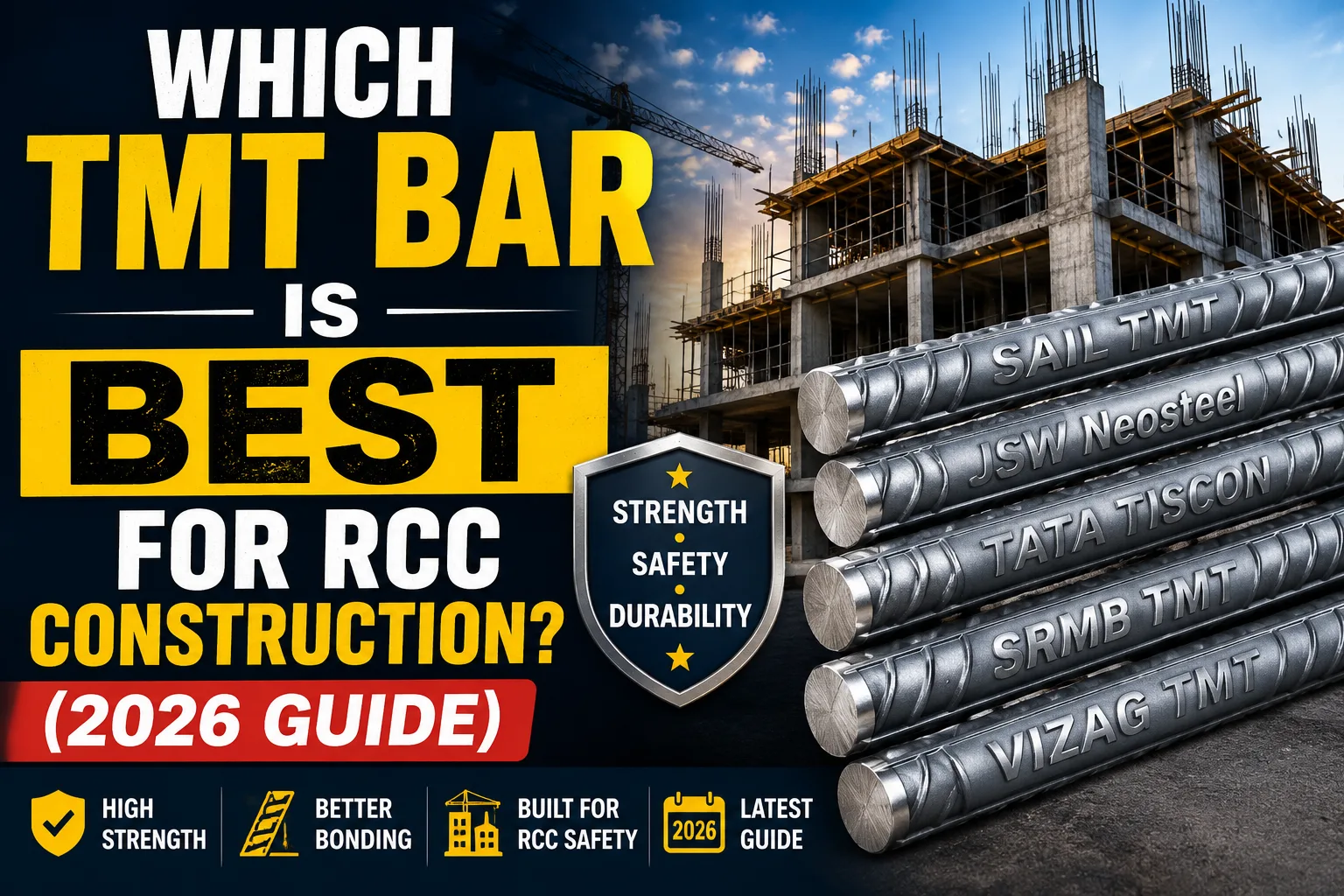
For detailed grade comparison, check TMT Bar Grades Explained (Fe 500, Fe 550, Fe 550D & Fe 600).
Fe 500D vs Fe 550D – Which is Better for Earthquake Resistant Construction?
| Feature | Fe 500D | Fe 550D |
|---|---|---|
| Yield Strength | Moderate | Higher |
| Ductility | Excellent | Excellent |
| Best Use | Residential | Commercial & Infrastructure |
| Cost | More affordable | Slightly premium |
| Earthquake Resistance | Very good | Excellent |
| Flexibility | High | High |
| Structural Load Capacity | Medium | High |
Recommendation
Choose Fe 500D if:
- You are building a house
- Your project is mid-scale
- Budget optimization matters
Choose Fe 550D if:
- You are building high-rise structures
- Heavy load-bearing is required
- Infrastructure-level safety is needed
Seismic Zone Requirements in India
India is divided into seismic zones based on earthquake risk.
Indian Seismic Zones
| Zone | Risk Level |
|---|---|
| Zone II | Low |
| Zone III | Moderate |
| Zone IV | High |
| Zone V | Very High |
Regions in Zones IV and V require stronger seismic reinforcement planning.
In high-risk areas, engineers typically recommend:
- High-ductility TMT bars
- Proper anchorage
- Strong RCC design
- Correct reinforcement spacing
Using low-quality or secondary reinforcement in such regions can significantly increase structural risk.
This is why understanding How to Check TMT Bar Quality Before Buying becomes extremely important for builders and contractors.
Best TMT Bar Sizes for Earthquake Resistant Structures
TMT bar size selection depends on:
- Structural load
- Building height
- RCC design
- Beam-column requirements
- Foundation strength
Common TMT Sizes Used in Seismic Construction
| TMT Size | Common Use |
|---|---|
| 8mm | Stirrups & light reinforcement |
| 10mm | Slabs |
| 12mm | Residential beams & slabs |
| 16mm | Columns |
| 20mm | Heavy columns |
| 25mm | Infrastructure projects |
| 32mm | Large industrial structures |
Which Size is Best?
Residential Houses
- 10mm
- 12mm
- 16mm
Multi-Storey Buildings
- 16mm
- 20mm
- 25mm
Infrastructure Projects
- 25mm
- 32mm
For detailed sizing guidance, read TMT Bar Sizes & Weight Chart (8mm to 32mm Complete Guide).
Important Quality Checklist for Earthquake Resistant TMT Bars
Choosing the right grade alone is not enough. Quality verification is equally important.
1. Check ISI Certification
Always verify:
- ISI mark
- BIS standards
- Manufacturing details
Certified bars ensure proper quality compliance.
2. Verify Weight Accuracy
Underweight bars reduce structural safety.
Always compare:
- Actual weight
- Standard weight chart
You can refer to TMT Bar Weight Chart (8mm to 32mm Full Guide) for accurate calculations.
3. Ask for Test Certificates
Reliable suppliers provide:
- Mill test certificates
- Chemical composition reports
- Mechanical strength reports
4. Check Rib Pattern
Good rib design improves concrete bonding strength.
Poor rib quality affects:
- Load transfer
- RCC grip
- Structural stability
5. Avoid Secondary Low-Quality TMT
Cheap secondary bars may:
- Have inconsistent strength
- Fail under seismic stress
- Lack proper ductility
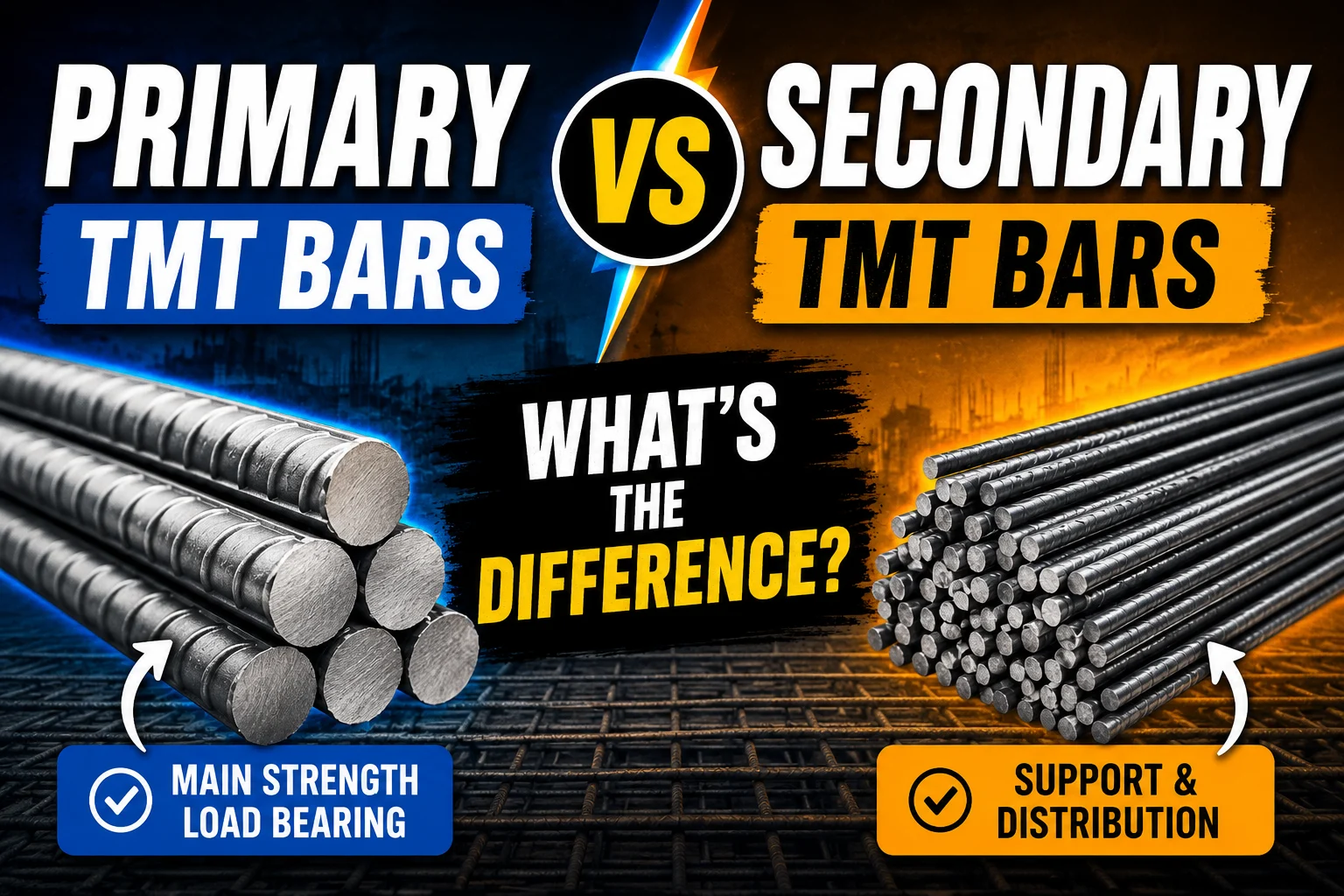
Understanding Primary vs Secondary TMT Bars: What’s the Difference? can help avoid major construction risks.
Why Builders Prefer Ductile TMT Bars Today
Modern construction increasingly prioritizes:
- Structural longevity
- Earthquake safety
- Crack resistance
- RCC durability
This has increased demand for:
- Fe 500D
- Fe 550D
- High-ductility reinforcement bars
Builders today are more aware that:
Saving small amounts on low-grade steel can create massive long-term structural risks.
Common Mistakes in Earthquake Resistant Construction
1. Using Low-Quality Reinforcement
Cheap material compromises safety.
2. Choosing Wrong TMT Sizes
Improper sizing weakens RCC structures.
3. Ignoring Ductility
Strength alone is not enough in seismic zones.
4. Buying Without Weight Verification
Underweight bars reduce reinforcement capacity.
5. Ignoring Supplier Reliability
Consistent quality supply matters for project stability.
Why Contractors Choose Pipe & Sections Pvt Ltd.
For bulk seismic-grade TMT supply, contractors and builders prefer Pipe & Sections Pvt Ltd. because of:
- Ready stock availability
- Multiple TMT grades
- Transparent pricing
- GST billing
- Bulk dispatch support
- Reliable supply chain
- Contractor-focused support
- PAN India delivery assistance
The company supplies TMT bars suitable for:
- Residential construction
- Commercial RCC structures
- Infrastructure projects
- Industrial applications
Best TMT Recommendation for Earthquake Resistant Construction
For Residential Projects
Recommended:
- Fe 500D
- 10mm–16mm
For Commercial Projects
Recommended:
- Fe 550D
- 16mm–25mm
For Infrastructure Projects
Recommended:
- Fe 550D / Fe 600
- 20mm–32mm
Always consult structural engineers before finalizing reinforcement specifications.
Future of Earthquake Resistant Construction in India
As Indian cities expand vertically, demand for seismic-resistant structures is increasing rapidly.
Builders now prioritize:
- Ductile reinforcement
- Higher safety standards
- RCC optimization
- Long-term structural reliability
This trend is expected to further increase demand for:
- Fe 500D
- Fe 550D
- Premium seismic-grade TMT bars
FAQs
Which TMT bar is best for earthquake resistant construction?
Fe 500D and Fe 550D are among the best TMT grades for earthquake resistant construction due to their high ductility and flexibility.
Why is ductility important in seismic construction?
Ductility helps reinforcement bars absorb seismic energy without sudden failure during earthquakes.
Is Fe 550D better than Fe 500D?
Fe 550D offers higher strength while maintaining ductility, making it suitable for heavier structures.
Which TMT size is best for earthquake resistant buildings?
Commonly used sizes include 10mm, 12mm, 16mm, and 20mm depending on structural requirements.
Can low-quality TMT bars fail during earthquakes?
Yes. Poor-quality reinforcement may crack or fail under seismic stress.
Final Conclusion
Choosing the right earthquake resistant TMT bars is one of the most critical decisions in modern construction. High-ductility grades such as Fe 500D and Fe 550D provide better flexibility, shock absorption, and structural safety during seismic activity.
For contractors, builders, and infrastructure projects looking for reliable reinforcement supply, Pipe & Sections Pvt Ltd. offers multiple TMT grades, transparent pricing, ready stock support, and bulk dispatch solutions across India.
For better project planning, you should also explore:
Strength, reliability, and excellence in every steel pipe and section we supply for your growth.
- +91 9310020802
- [email protected]
- 22 & 23, Apollo Market, Prakash Industrial Estate, Sahibabad - 201005, Ghaziabad (U.P.) INDIA.
Work Hours
- Mon-Sat 10:00AM -6:00PM
Explore the premium range of TMT bars from Pipe & Sections, engineered with advanced technology to deliver superior strength, exceptional durability.
© 2026 All Rights Reserved. Designed and Managed by SBS DIGITAL INFOTECH.