
Company Overview
At Pipe and Sections Pvt Ltd, we help contractors, builders, dealers, and project buyers get the latest tmt saria rate, transparent quotations, and fast delivery across India.
Most Recent Posts
- All Posts
- TMT Bars




Tags
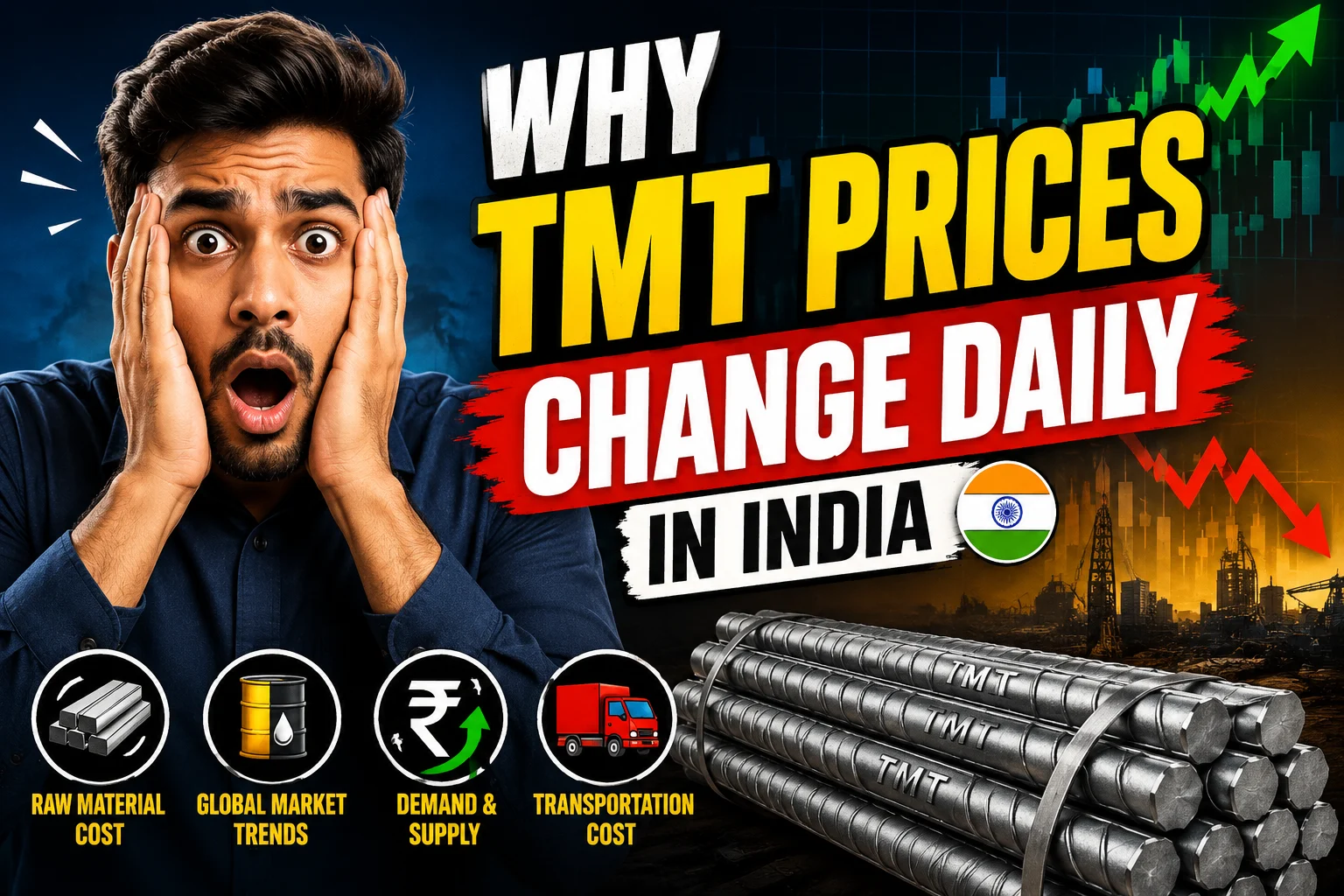
Why TMT Prices Change Daily in India
TMT bar prices in India change daily because steel manufacturing costs are directly affected by fluctuations in raw materials, iron ore, coal, demand from the construction sector, transportation costs, global commodity markets, and government policies. Even small changes in these factors can increase or decrease TMT rates across local and national markets.
The Indian steel market is highly dynamic. Builders, contractors, infrastructure companies, and dealers regularly monitor TMT rates because steel is one of the largest cost components in construction projects. Whether you are building a house, commercial complex, warehouse, or infrastructure project, understanding why TMT prices fluctuate daily helps you make smarter purchasing decisions.
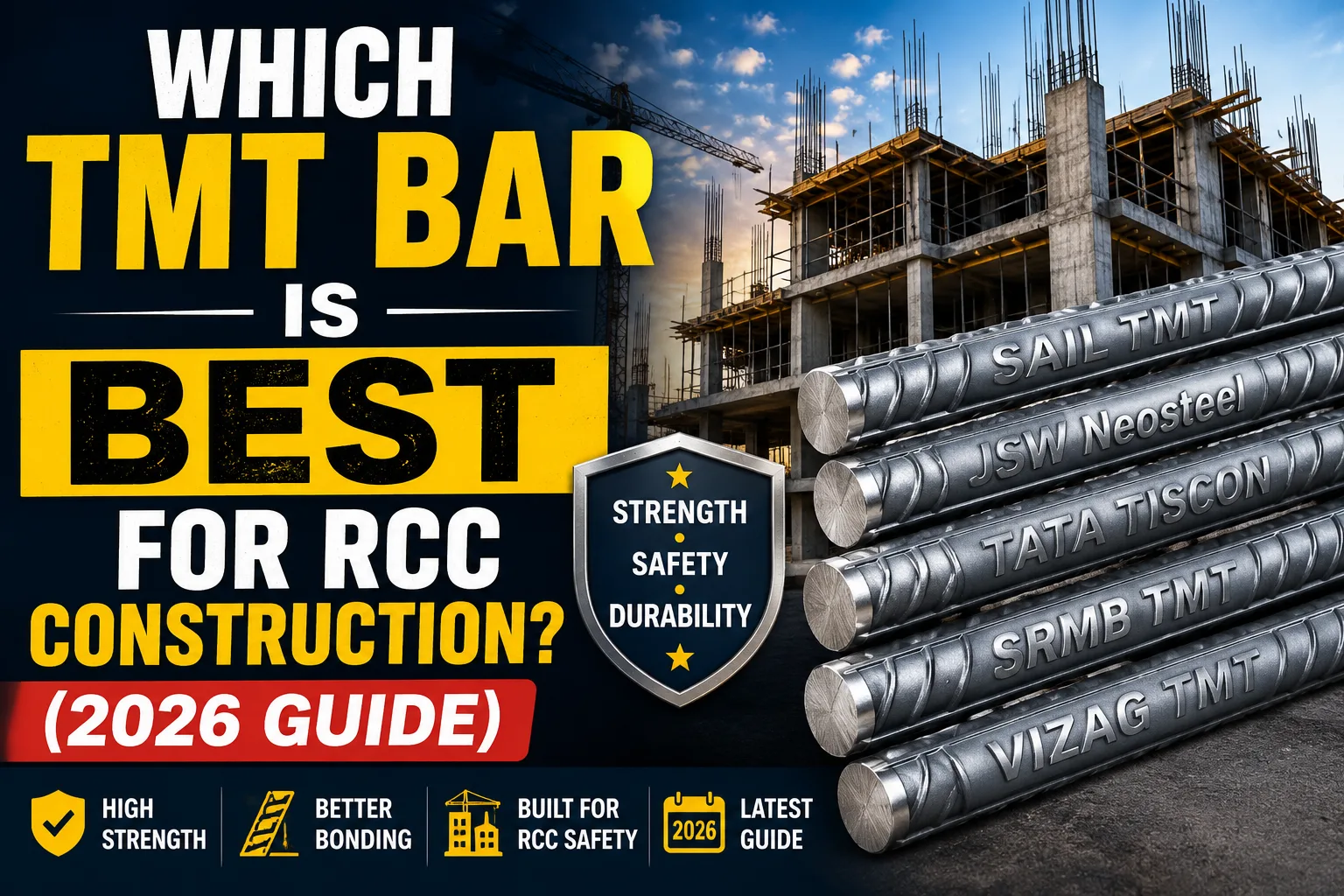
As a trusted steel supplier, Pipe & Sections Pvt Ltd works closely with contractors, dealers, and project buyers across India and regularly tracks market trends to provide transparent TMT pricing and reliable bulk supply support. Understanding market fluctuations is important, but smart procurement strategy matters equally. Read our complete TMT Buying Guide for Contractors to learn how builders and contractors reduce costs while purchasing TMT bars in bulk.
What Are TMT Bars?
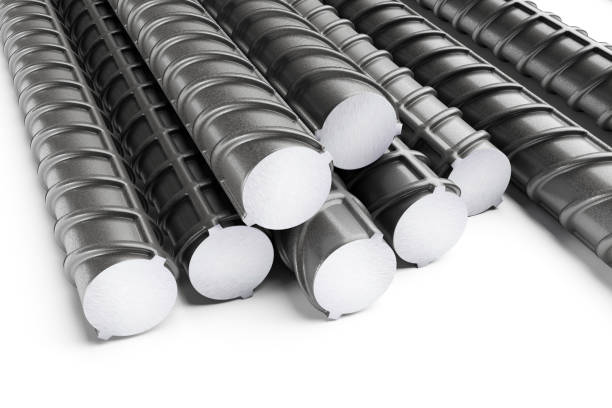
TMT (Thermo-Mechanically Treated) bars are high-strength reinforcement steel bars used in RCC construction. These bars are manufactured through a special heat treatment process that improves strength, ductility, weldability, and earthquake resistance.
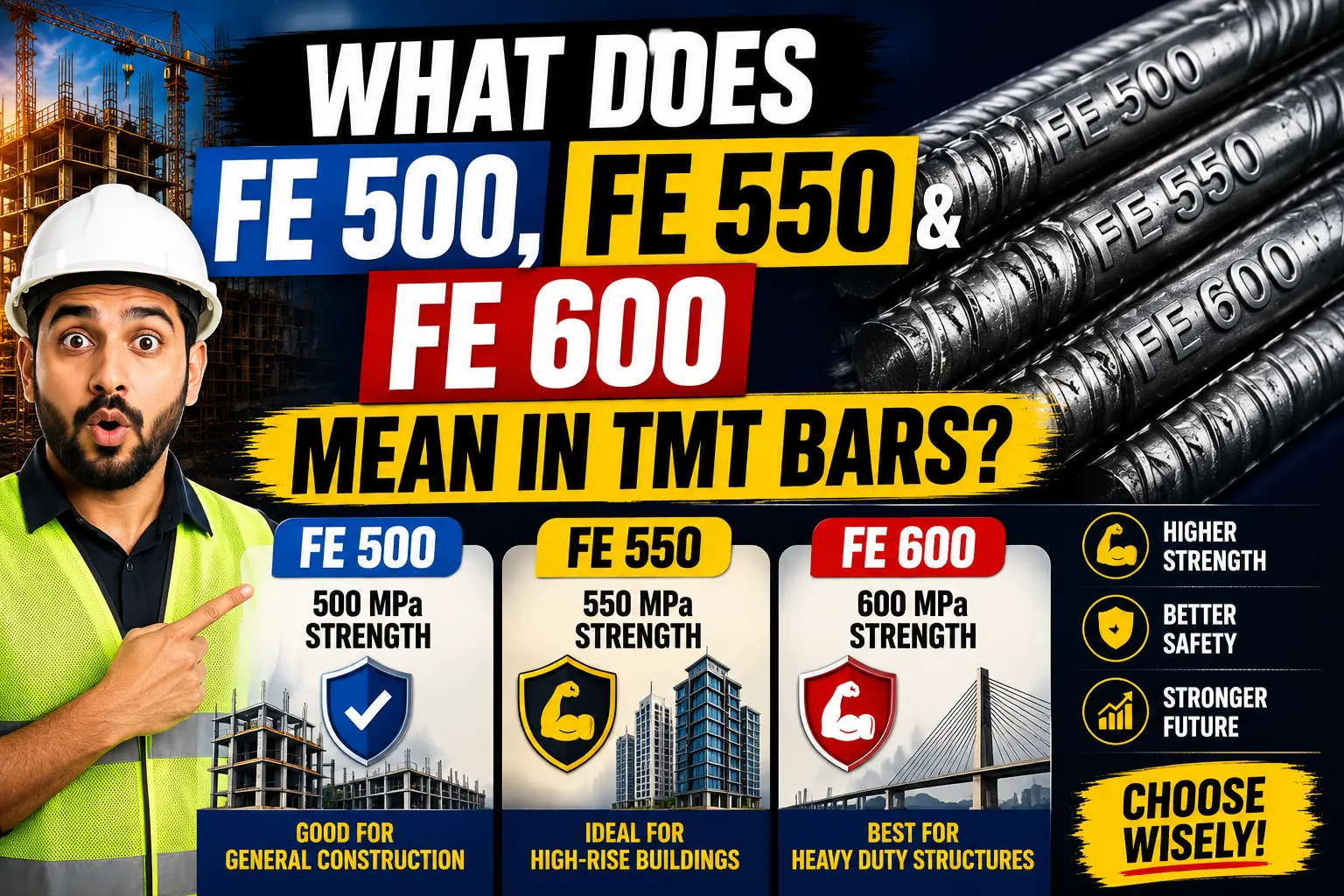
TMT bars are commonly available in grades such as:
These bars are widely used in:
- Residential construction
- Commercial buildings
- Infrastructure projects
- Bridges
- Industrial foundations
- Warehouses
- RCC structures
Since TMT bars are made from steel billets and iron ore-based raw materials, their prices are highly sensitive to market conditions.
Why TMT Prices Change Daily in India
There is no single reason behind TMT price fluctuation. The steel market works through a combination of raw material pricing, manufacturing costs, logistics, demand cycles, and global economic activity.
The major factors affecting TMT bar prices are:
- Raw material cost
- Iron ore and coal prices
- Demand and supply balance
- Seasonal construction demand
- Transportation and logistics cost
- Global steel market movement
- Government duties and taxation
- Energy and electricity cost
- Brand positioning and quality
- Market speculation and inventory trends
Let’s understand each factor in detail.
1. Raw Material Impact on TMT Prices
Raw materials are the biggest factor behind daily TMT price movement.
The primary raw materials used in steel manufacturing include:
- Iron ore
- Sponge iron
- Steel scrap
- Billets
- Coking coal
- Ferro alloys
When raw material prices increase, steel manufacturers automatically raise TMT prices to maintain production margins.
For example, iron ore prices in India increased significantly during recent market revisions by NMDC, directly impacting steel manufacturing costs.
Steel billets alone account for a major portion of TMT manufacturing costs. Even a small increase in billet pricing can create a substantial change in finished TMT bar rates.
This is why contractors often notice daily fluctuations in steel prices even when local demand appears stable.
2. Iron Ore & Coal Prices Directly Affect Steel Rates
Iron ore and coal are the backbone of steel manufacturing.
Iron Ore Impact
Iron ore is the primary raw material used in steel production. When mining companies increase ore prices, steel plants experience immediate production cost pressure.
In 2026, NMDC revised iron ore prices multiple times, increasing lump and fines pricing due to market demand and production conditions.
Recent market revisions showed:
| Material | Approx. Revised Price |
|---|---|
| Baila Lump Ore | ₹5,500/ton |
| Baila Fines | ₹4,700/ton |
These changes directly influence billet prices and eventually TMT rates.
Coal & Energy Cost Impact
Steel manufacturing requires enormous amounts of energy.
Coal is used in:
- Blast furnaces
- Sponge iron manufacturing
- Rolling mills
- Thermal processing
If coal prices increase internationally, steel production becomes more expensive.
Energy costs, fuel prices, and industrial electricity tariffs also increase overall steel manufacturing expenses.
Many steel plants pass these costs directly into finished TMT bar pricing.
3. Demand-Supply Effect in the Steel Market
Like every commodity market, TMT prices heavily depend on demand and supply.
When Demand Increases
TMT prices generally rise during periods of:
- High construction activity
- Government infrastructure projects
- Real estate growth
- Industrial expansion
- Highway and bridge projects
When demand exceeds supply, prices move upward quickly.
When Demand Slows
TMT prices may decline during:
- Slow construction seasons
- Monsoon periods
- Economic slowdowns
- Reduced infrastructure spending
- Inventory oversupply
This demand-supply cycle is one of the biggest reasons why contractors see price changes every few days.
4. Seasonal Construction Demand
Construction activity in India changes seasonally, and this strongly impacts TMT demand.
Peak Construction Seasons
Demand usually rises during:
- October to March
- Pre-monsoon construction cycles
- Government project execution periods
During these months:
- Builders buy aggressively
- Contractors increase inventory
- Infrastructure work accelerates
As a result, steel prices often increase.
Monsoon Impact
During heavy monsoon periods:
- Construction slows down
- Demand reduces
- Site work gets delayed
- Bulk procurement decreases
This may temporarily reduce TMT demand and soften market pricing.
However, regional variation also matters because infrastructure projects continue in many industrial zones throughout the year.
5. Transport & Logistics Cost Impact
Transportation plays a major role in final TMT pricing.
Steel is a heavy commodity. Freight charges significantly affect delivered rates.
Key logistics factors include:
- Diesel prices
- Railway freight rates
- Truck availability
- Interstate transport cost
- Toll expenses
- Distance from steel plant
- Warehouse handling charges
For example:
- TMT delivered in Delhi NCR may cost less than remote hill regions
- Long-distance transportation increases landed cost
- Small quantity orders often have higher per-ton freight cost
Logistics cost increases are directly reflected in local market prices.
This is why TMT rates vary city to city even on the same day.
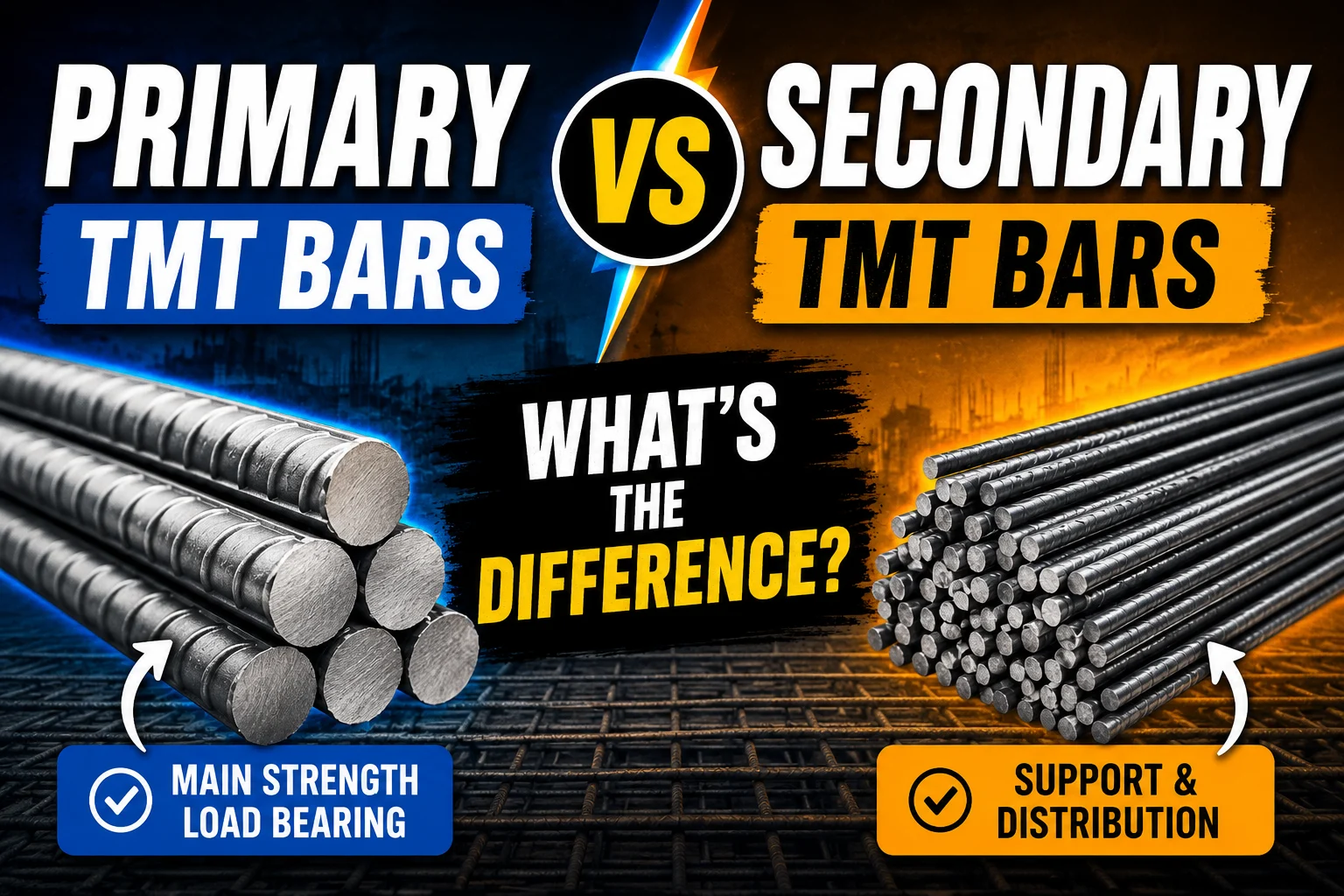
As a bulk supplier, Pipe & Sections Pvt Ltd helps buyers optimize freight planning and bulk dispatch management to reduce overall procurement cost. Apart from market fluctuations, the type of reinforcement steel you choose also impacts overall project quality and pricing. Explore our detailed guide on Primary vs Secondary TMT Bars to understand the major differences in strength, durability, and construction performance.
6. Global Steel Market Influence
India’s steel industry is connected to global commodity markets.
International events strongly impact domestic steel prices.
Major global factors include:
- China steel production
- International iron ore pricing
- Coking coal imports
- Shipping costs
- Global infrastructure demand
- Currency fluctuations
- Trade restrictions
- Import-export policy
If global steel demand increases:
- Raw material prices rise
- Imported coal becomes expensive
- Indian steel producers increase pricing
Similarly, disruptions in mining or shipping can create sudden market volatility.
Recent global commodity pressure and iron ore price increases affected Indian steel production costs during 2026.
7. Government Policies & Taxes
Government regulations also affect TMT pricing.
Key policy factors include:
- GST changes
- Export duties
- Import duties
- Mining regulations
- Environmental compliance costs
- Railway freight policy
- Industrial electricity tariffs
If taxes or compliance costs increase, manufacturers pass the burden into steel pricing. Infrastructure spending by the government can also sharply increase steel demand. Large highway, railway, metro, and smart city projects often create regional demand spikes for TMT bars.
8. Brand Premium & Product Quality
Not all TMT bars are priced equally.
Premium brands usually cost more because of:
- Better metallurgy
- BIS compliance
- Consistent quality
- Higher ductility
- Stronger distribution network
- Better corrosion resistance
Branded TMT bars from large manufacturers often maintain higher pricing than secondary or local rolling mills.
Factors that influence brand pricing include:
- Grade consistency
- Earthquake resistance
- Elongation performance
- Weldability
- Manufacturing process
This is why Fe 550D or premium ductile grades usually cost more than standard grades.
9. Inventory & Market Speculation
Sometimes prices increase even without immediate demand growth.
This happens because:
- Dealers expect future shortages
- Raw material hikes are anticipated
- Traders stock inventory aggressively
- Market sentiment turns bullish
Similarly, prices may fall if:
- Inventory becomes excessive
- Construction slows unexpectedly
- Steel plants reduce rates to clear stock
Steel markets often react quickly to industry expectations.
Current TMT Price Trend in India (2026)
The Indian steel market in 2026 continues to experience moderate volatility due to:
- Iron ore revisions
- Infrastructure demand
- Energy costs
- Transportation expenses
- Construction growth
Market data shows that TMT pricing in India remains highly sensitive to raw material fluctuations and freight conditions.
Many contractors and builders now monitor:
- Daily market rates
- Billet trends
- Iron ore revisions
- Regional demand patterns
before placing bulk orders.
How Buyers Can Save Money on TMT Procurement
Understanding the market can help buyers reduce project cost significantly.
1. Buy During Stable Market Cycles
Avoid panic buying during sudden price spikes.
2. Purchase in Bulk
Bulk orders usually reduce:
- Freight cost
- Loading charges
- Dealer margin
3. Compare Grades Properly
Do not overpay for grades that are unnecessary for your project.
4. Monitor Raw Material Trends
Tracking iron ore and billet prices helps predict market direction.
5. Work With Reliable Suppliers
Trusted suppliers provide:
- Transparent pricing
- Weight accuracy
- GST billing
- Proper documentation
- Consistent dispatch
Pipe & Sections Pvt Ltd supplies TMT bars across India with transparent pricing, ready stock availability, GST billing, and bulk dispatch support for contractors, builders, dealers, and infrastructure projects.
Why Contractors Track TMT Prices Daily
Steel contributes a major percentage of overall construction cost.
Even a small increase in TMT price can significantly affect:
- Residential projects
- Commercial buildings
- RCC structures
- Infrastructure budgets
For large projects, daily price monitoring helps:
- Optimize procurement timing
- Reduce cost escalation
- Improve budgeting accuracy
- Prevent inventory losses
This is why contractors, developers, and procurement teams continuously track steel market movement.
FAQs
Why do TMT prices change every day?
TMT prices change due to fluctuations in raw materials, iron ore, coal, transportation cost, construction demand, and global steel market conditions.
Does iron ore price affect TMT bars?
Yes. Iron ore is one of the primary raw materials used in steel manufacturing, so any increase in ore pricing directly impacts TMT rates.
Which season has the highest TMT demand?
Demand generally increases between October and March due to active construction activity.
Why are branded TMT bars more expensive?
Branded TMT bars usually offer better quality control, BIS standards compliance, improved ductility, and stronger structural performance.
How can contractors reduce TMT procurement cost?
Contractors can save money through bulk purchasing, freight optimization, market monitoring, and sourcing from reliable suppliers.
Do global markets affect Indian TMT prices?
Yes. International iron ore prices, coal imports, shipping costs, and global steel demand influence domestic steel pricing.
Final Conclusion
TMT bar prices in India change daily because the steel industry depends on multiple interconnected factors including iron ore pricing, coal cost, demand-supply balance, freight charges, seasonal construction activity, and international market trends.
Understanding these factors helps buyers make smarter procurement decisions and control project cost more effectively.
For contractors, builders, dealers, and infrastructure companies looking for reliable steel supply support, Pipe & Sections Pvt Ltd provides transparent TMT pricing, ready stock availability, GST billing, and bulk dispatch solutions across India.
Strength, reliability, and excellence in every steel pipe and section we supply for your growth.
- +91 9310020802
- [email protected]
- 22 & 23, Apollo Market, Prakash Industrial Estate, Sahibabad - 201005, Ghaziabad (U.P.) INDIA.
Work Hours
- Mon-Sat 10:00AM -6:00PM
Explore the premium range of TMT bars from Pipe & Sections, engineered with advanced technology to deliver superior strength, exceptional durability.
© 2026 All Rights Reserved. Designed and Managed by SBS DIGITAL INFOTECH.